About Coastal Garden Supplies
Meet Max and Pascale
Coastal Garden Supplies is run by Max Morgan-Kay and Pascale Vokes. We work in gardens across Cornwall and Devon every week, with difficult soils, exposed sites and restricted access, so when you ask us a question, you are speaking to people who genuinely use the products we supply. Our products are produced in Cornwall and Devon and delivered across the south west.

Max Morgan-Kay
Max has a degree in Marine Biology and a background in environmentally focused product development, alongside practical experience with delivery and product advice across Cornwall and Devon. He leads product development, sourcing and the direction of the business.
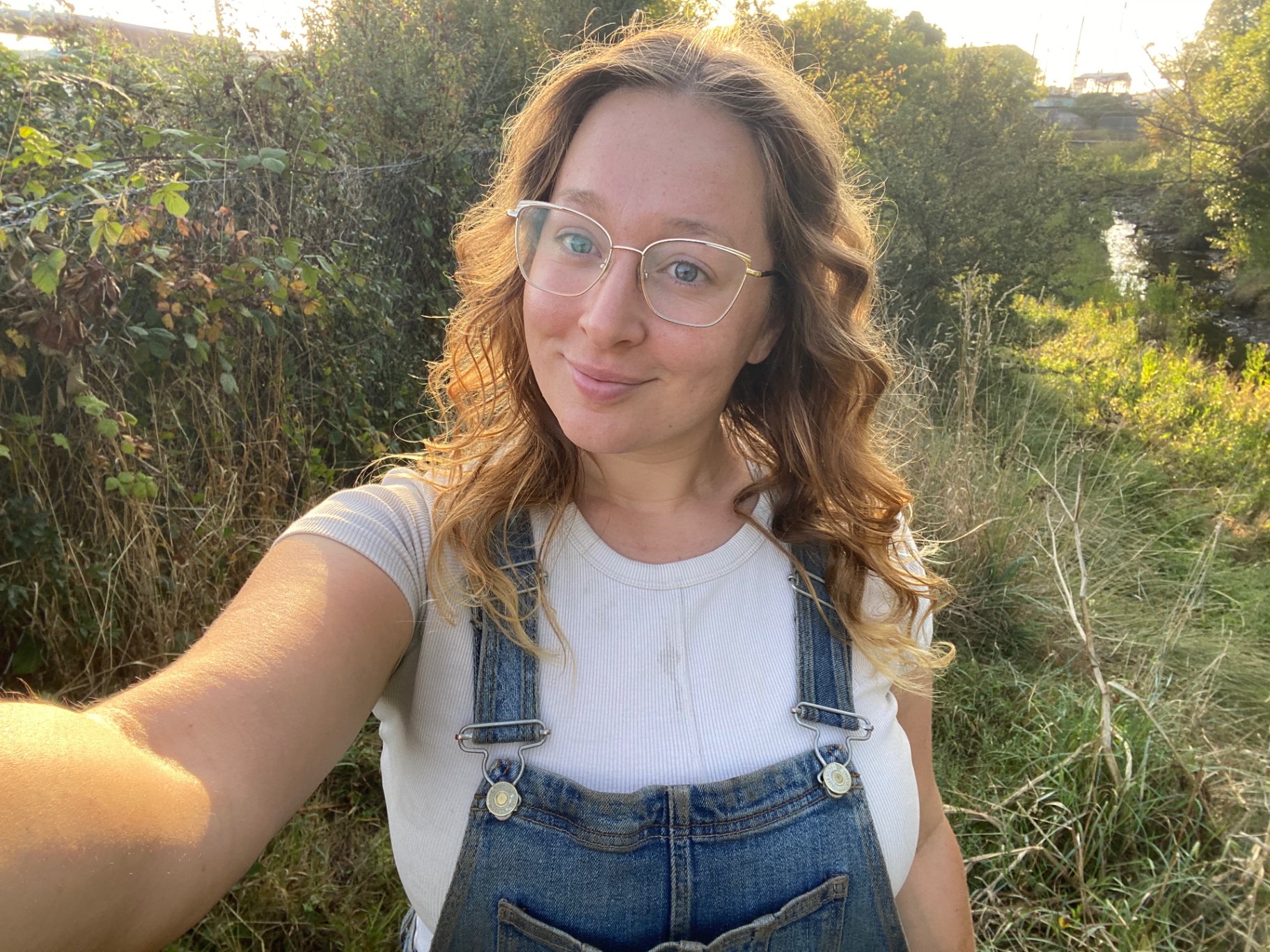
Pascale Vokes
Pascale specialises in plant care and leads customer support and the day-to-day organisation of the business. She helps customers choose a product, work out quantities and plan around practical garden requirements.
Explore the range
Peat-free, kelp-enriched compost and the Coastal Kelp Range, produced in Cornwall and Devon and delivered across the south west.
How Coastal Compost reaches your garden
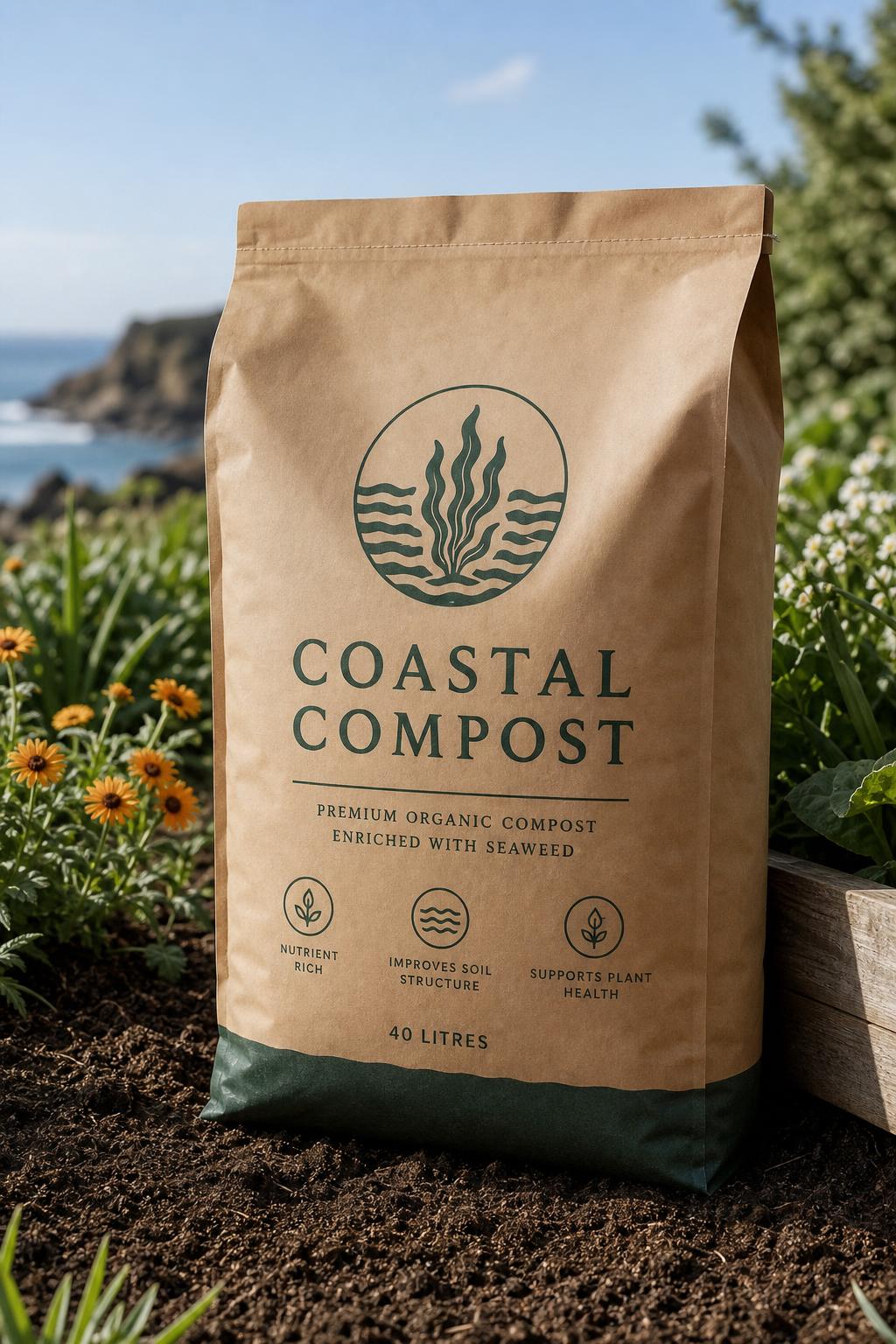
We source PAS 100 certified green-waste compost from an established producer. Coastal Garden Supplies then prepares and enriches it with ingredients derived from responsibly farmed kelp before supplying it as Coastal Compost.
 1
1Sourcing mature compost
We source PAS 100 certified green-waste compost from an established producer.
 2
2Selecting kelp ingredients
Ingredients derived from responsibly farmed kelp are selected to enrich the base compost.
 3
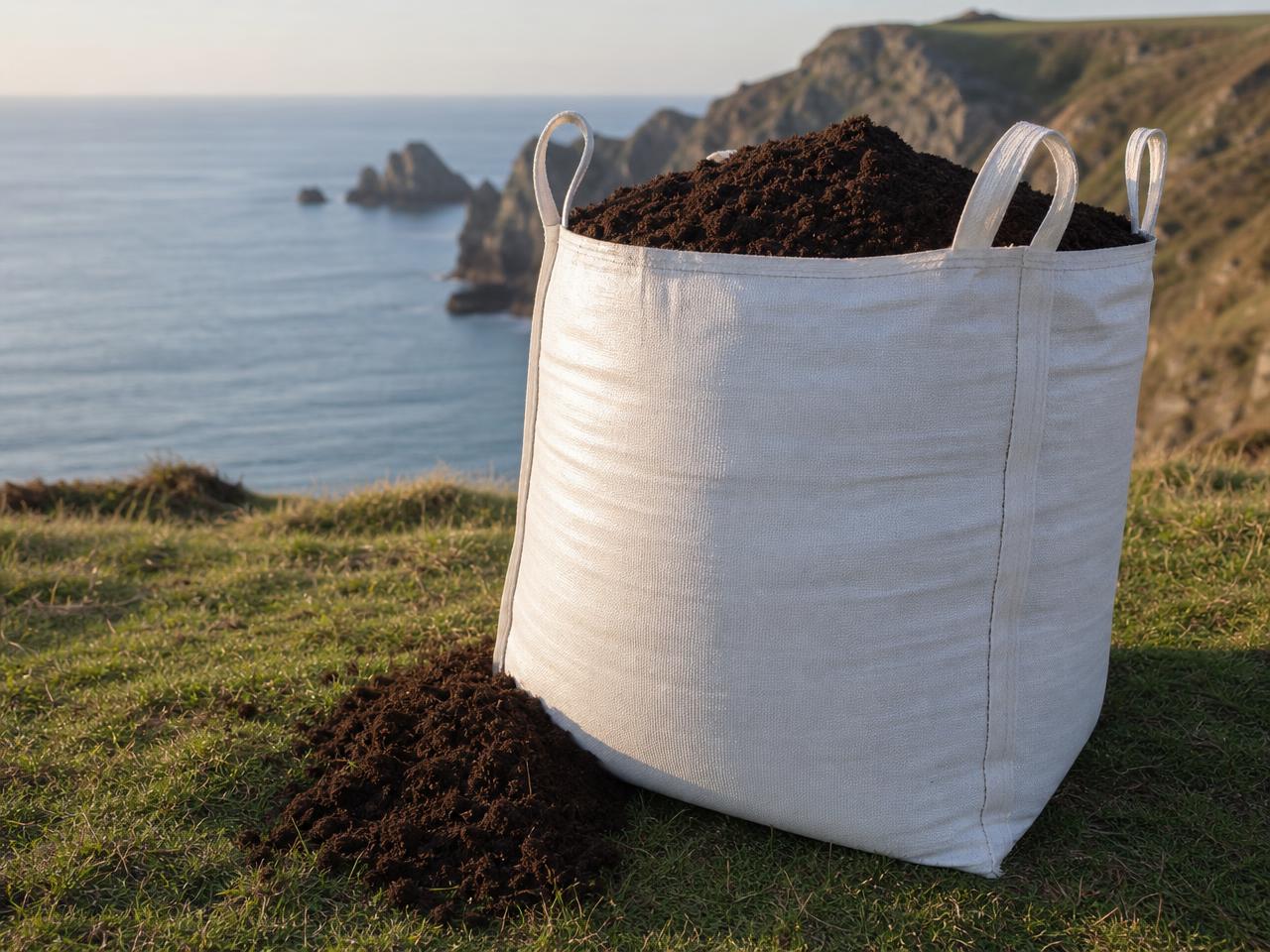
3Preparing and enriching
Coastal Garden Supplies prepares and enriches the compost before it becomes Coastal Compost.
- 4
Choosing the right format
The correct format, bagged, bulk bag or loose tipped, is selected for the customer's project.
 5
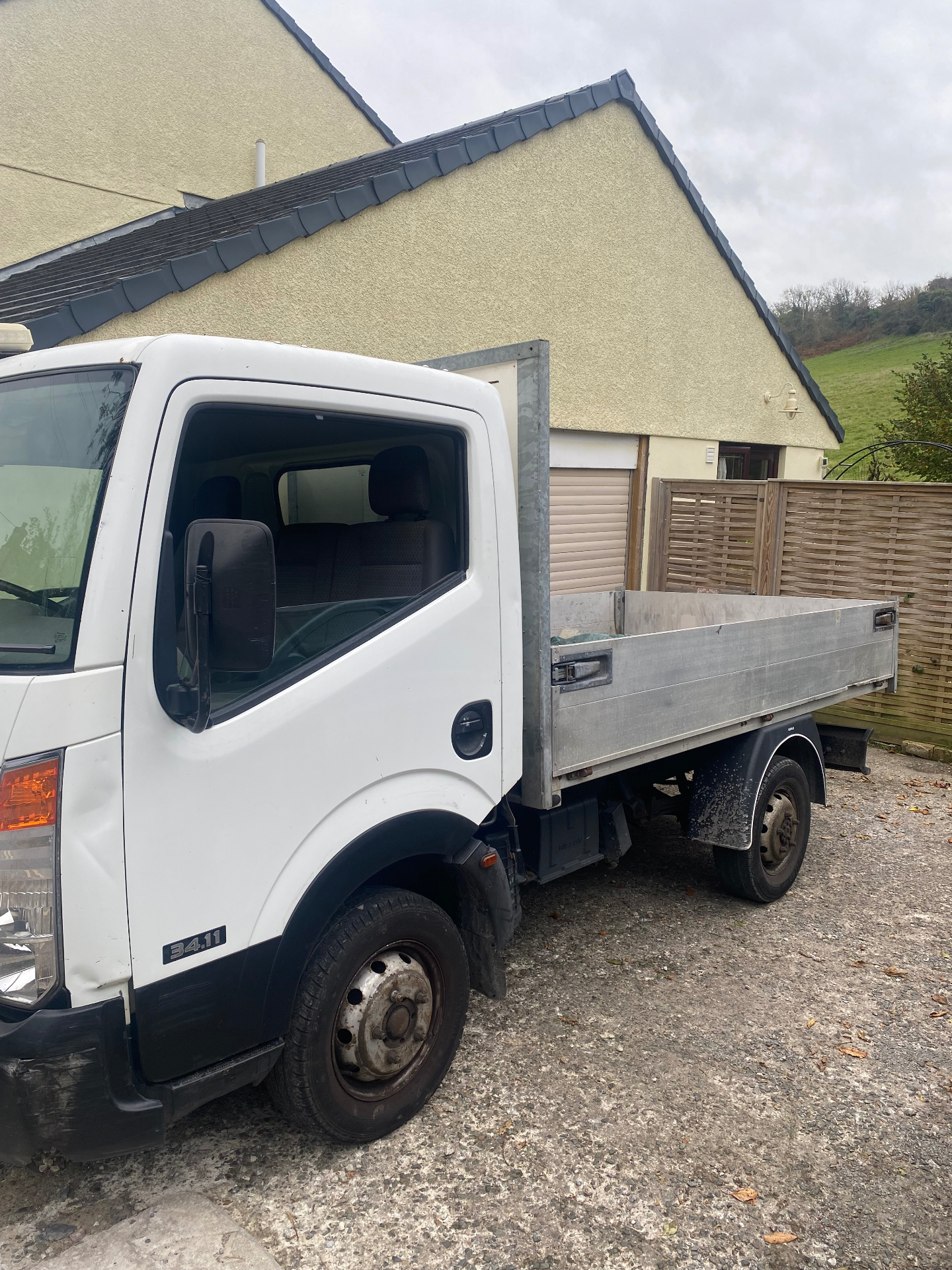
5Checking access and quantity
We check vehicle access and confirm the quantity needed before delivery.
 6
6Bagging, loading or tipping
The product is bagged, loaded or tipped, depending on the format ordered.
 7
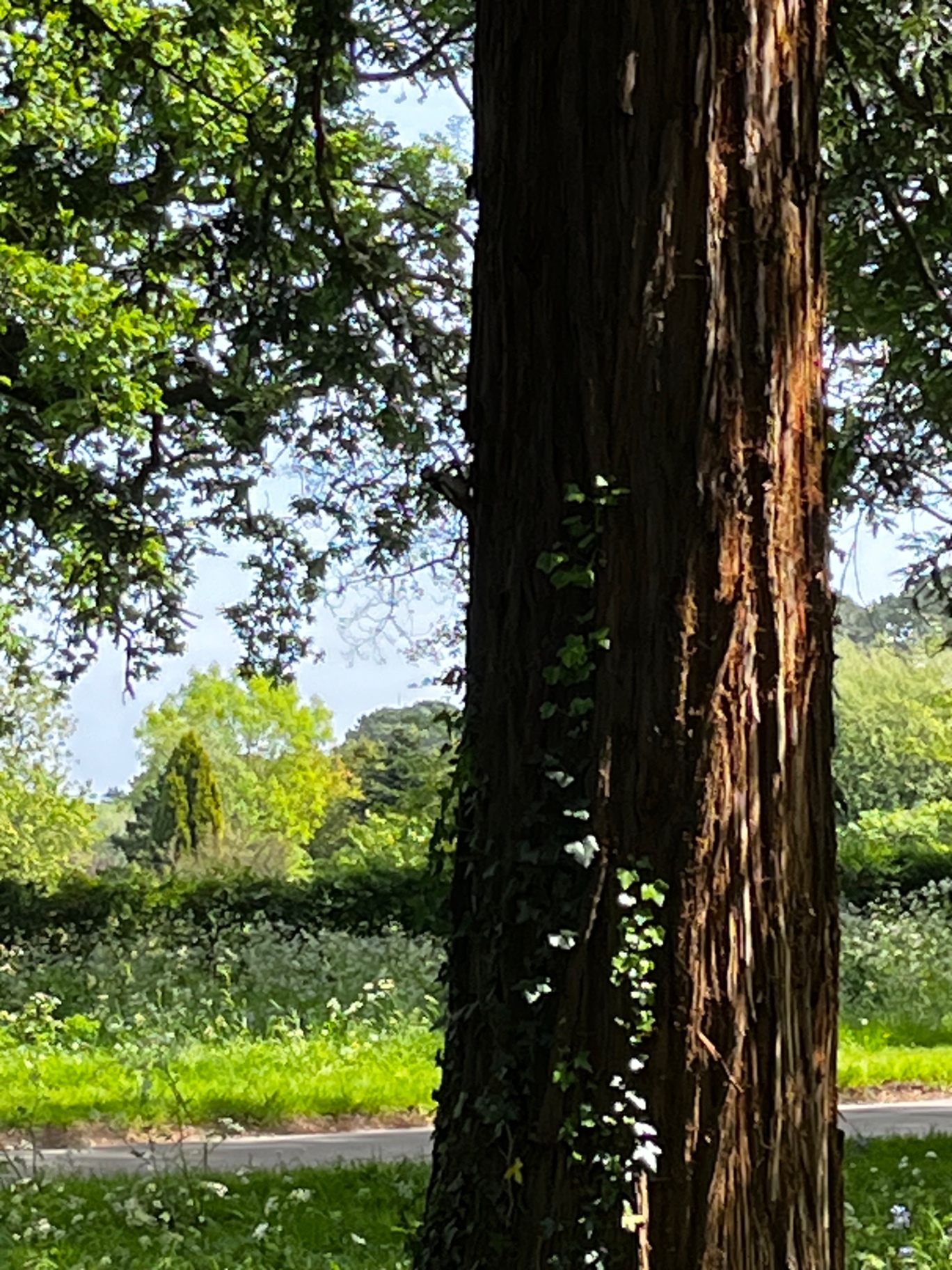
7Practical guidance
Customers receive practical guidance on how to use it in their own garden.
From Max
How it works
Seaweed compost is not a magic fertiliser. It works because it brings together organic matter, minerals and natural seaweed-derived compounds that support the conditions plants need to grow well.
Good growth starts in the soil: roots need structure, air, moisture, biology and access to nutrients. Compost opens up heavier ground, helps lighter soils hold moisture and feeds the organisms that support long-term soil health.
Seaweed adds another layer. Studies into seaweed extracts and biostimulants suggest they can support root development, nutrient uptake and a plant's resilience under stress, not by forcing growth, but by improving the environment around the plant.
That is why Coastal Compost is a soil improver first. Results depend on soil condition, plant type, watering, season and care, but used properly it is a useful part of building healthier, more resilient ground for raised beds, vegetables, fruit trees, borders, mulching and new garden projects.
Kelp cultivation needs no agricultural land, freshwater irrigation or conventional fertiliser inputs. As it grows, it takes up dissolved nutrients such as nitrogen and phosphorus from the water, and the ropes and fronds create structure that provides habitat and shelter for marine life. The benefits depend on each farm's location, scale and management, and Max's marine biology background shapes how we choose the farmed kelp we use.
From Pascale
What it means in the garden
Good compost changes the way soil feels and behaves. Heavy soil becomes easier to work, tired soil holds moisture better, and new planting areas feel richer and more forgiving.
That matters most when plants are establishing roots, recovering from pruning, being moved, or being asked to flower and fruit. A plant under stress may survive, but it rarely performs.
Used properly, Coastal Compost supports stronger establishment, healthier roots, better moisture holding through dry spells and more resilient beds, borders and containers, mixed into new beds, worked into raised beds, added around fruit trees or applied as a mulch.
It will not replace good watering, pruning, plant choice or light. But it makes those things work better, because the plant is starting from healthier ground.
"It helps create the kind of soil where plants look more settled, recover better and have a stronger chance of becoming what they are meant to be."
From our gardens
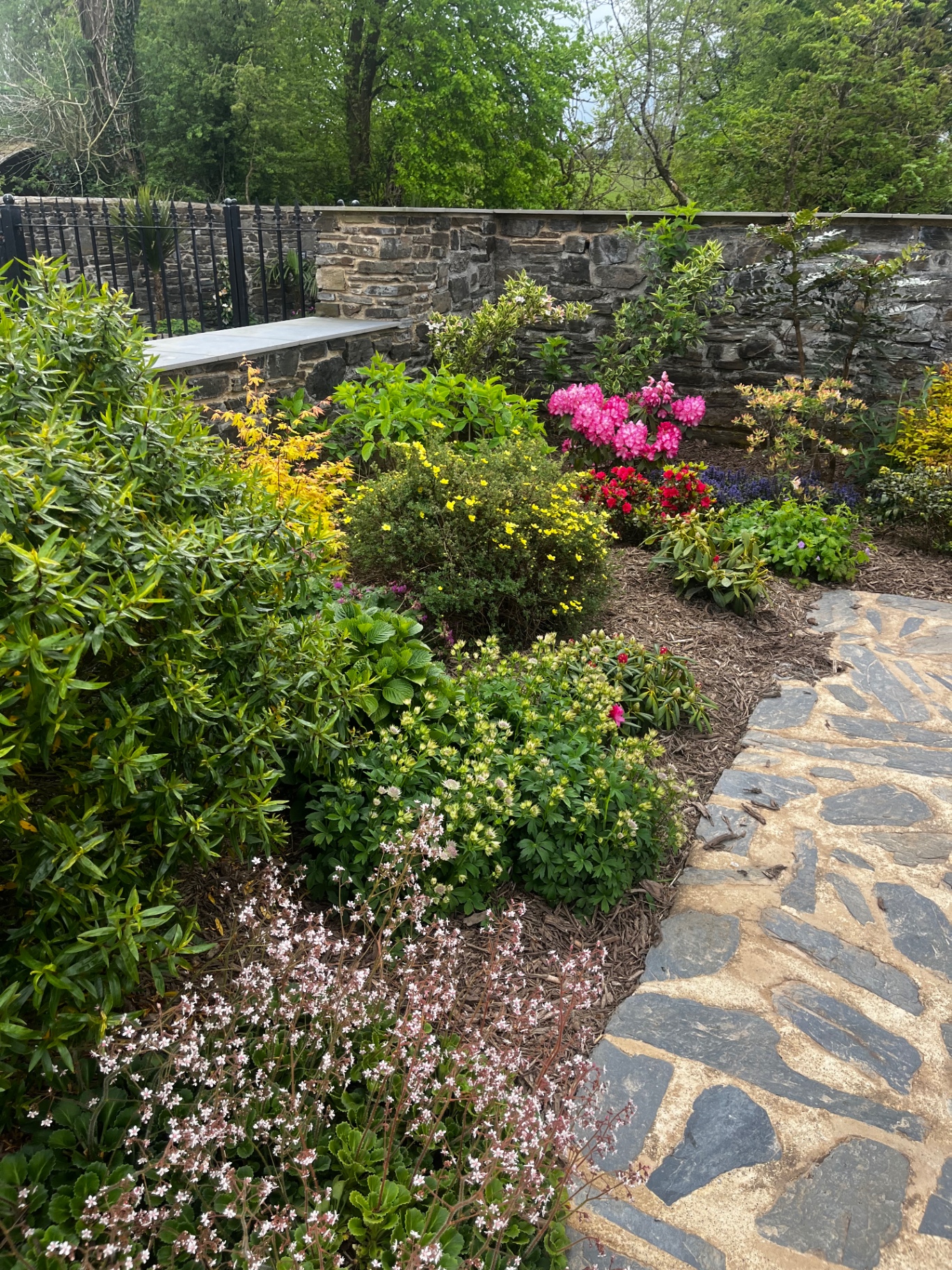
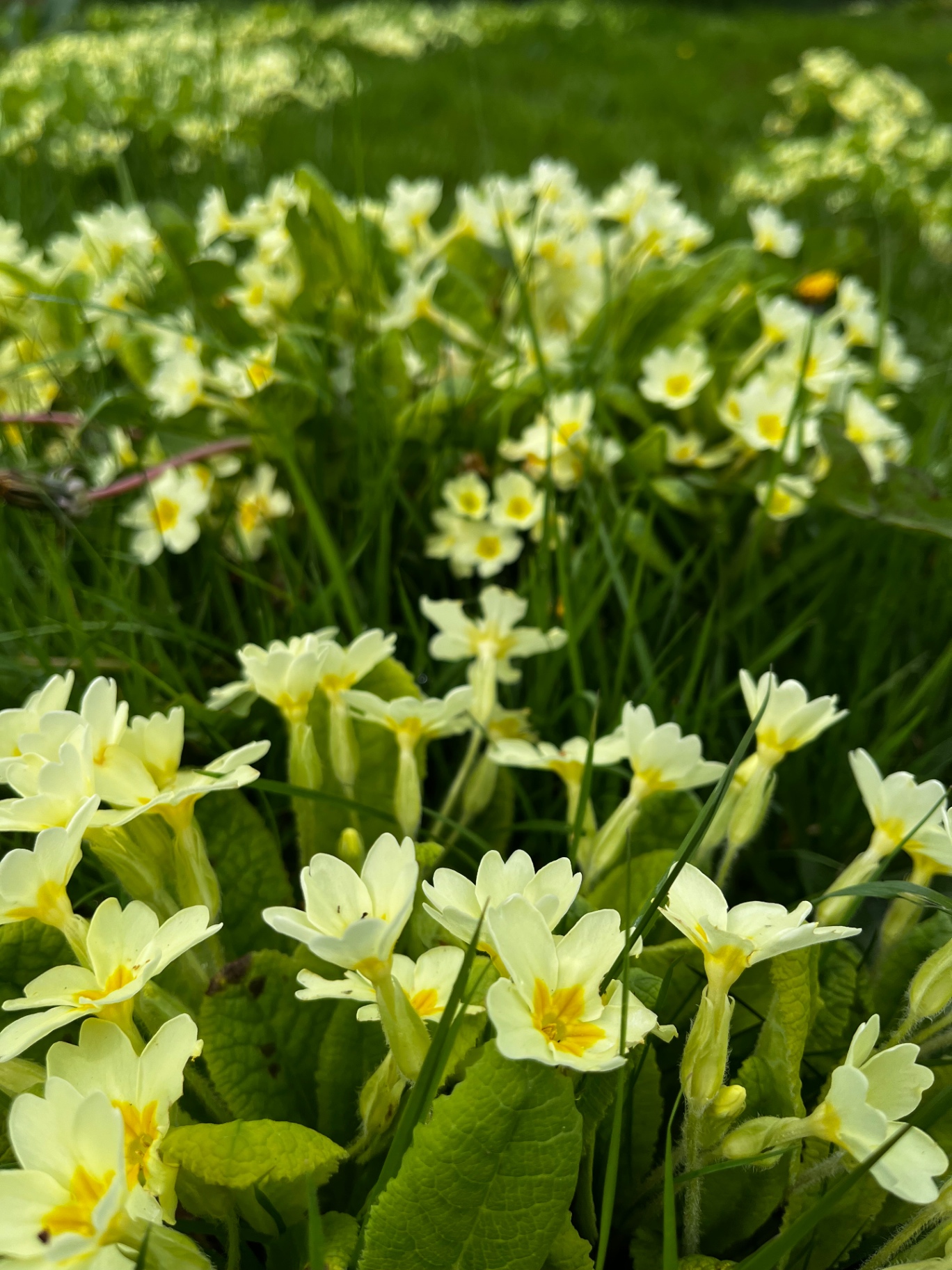
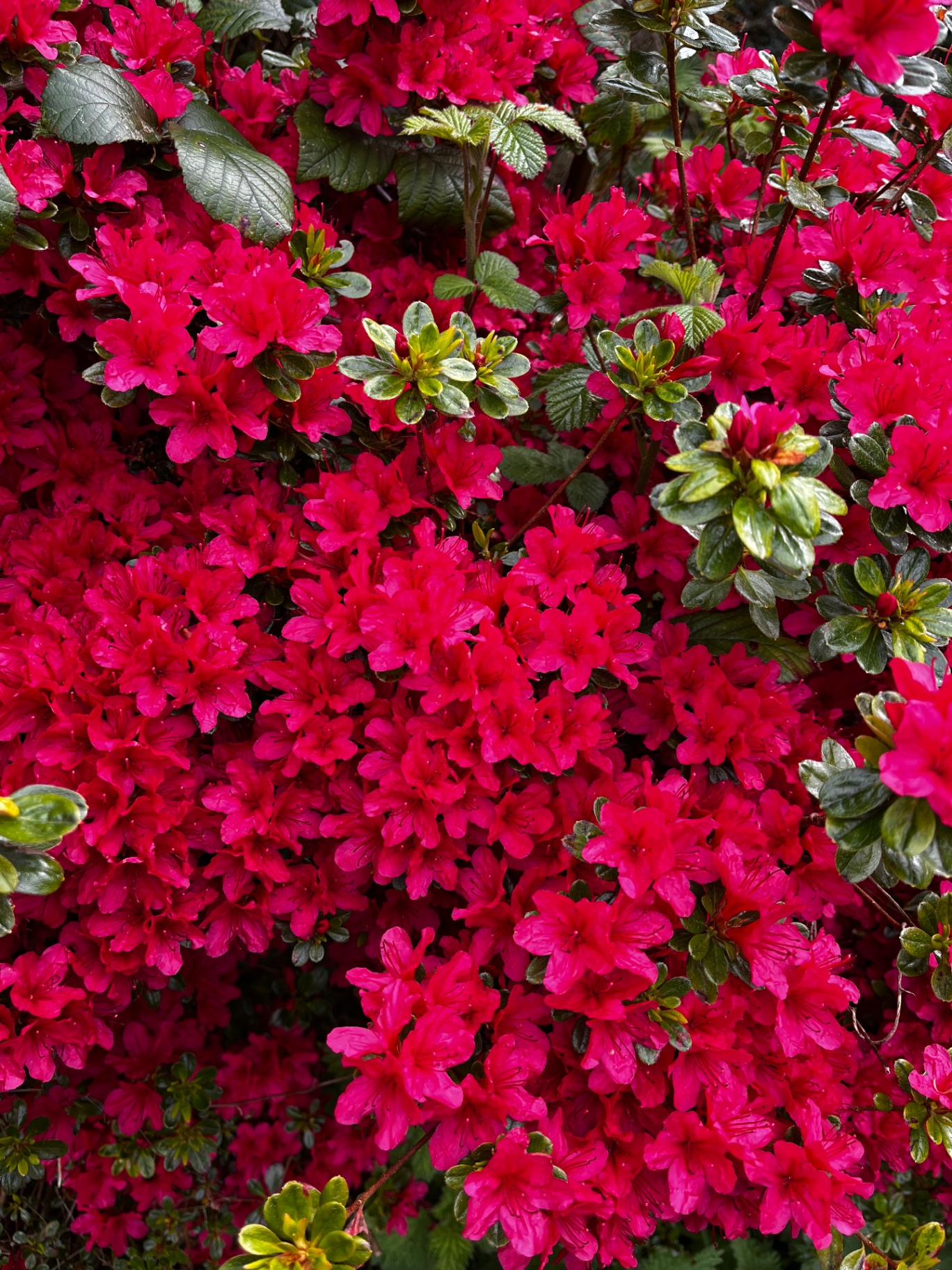
A few snapshots from the borders, meadows and shrubs that keep us learning.
In the garden
Coastal Compost as a turf top dressing
A light layer worked into the sward helps feed the soil beneath the lawn, improve structure and support stronger root growth through the season.
Why kelp?
Kelp connects the garden back to the coast. Farmed responsibly, it provides a useful crop while creating structure in the water column and habitat for marine life.
We do not treat seaweed as a marketing ingredient. It is a natural coastal resource with a long history in growing, and our aim is to make it useful for gardeners again using responsibly farmed kelp.
Our approach
Practical products for real gardens: soil health, root establishment, resilient planting and better use of natural materials. No miracle cures, good growing still depends on care, plant choice, watering, light and season.
"Soil is the foundation. Improve the soil, and you improve the chances of everything planted into it."
Better soil. Stronger plants. Coastal resources used with care.