Feeding plants with kelp: a sensible guide
5 min read
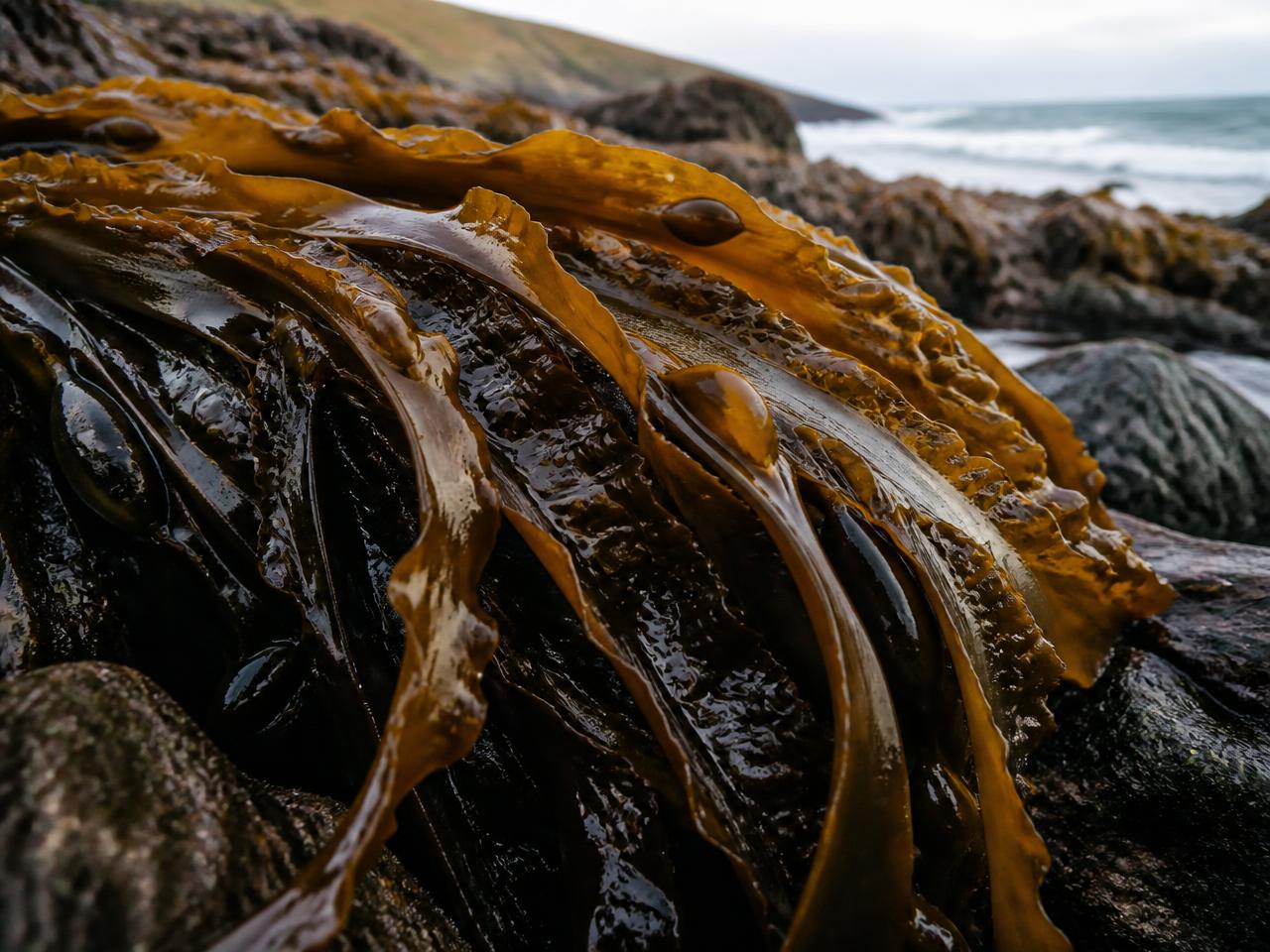
Kelp has a long history in coastal growing, and a fair amount of marketing noise around it. This is the practical version, what a kelp biostimulant does, what it does not do, and how we use the Coastal Kelp Range on our own plots.
A biostimulant, not a fertiliser
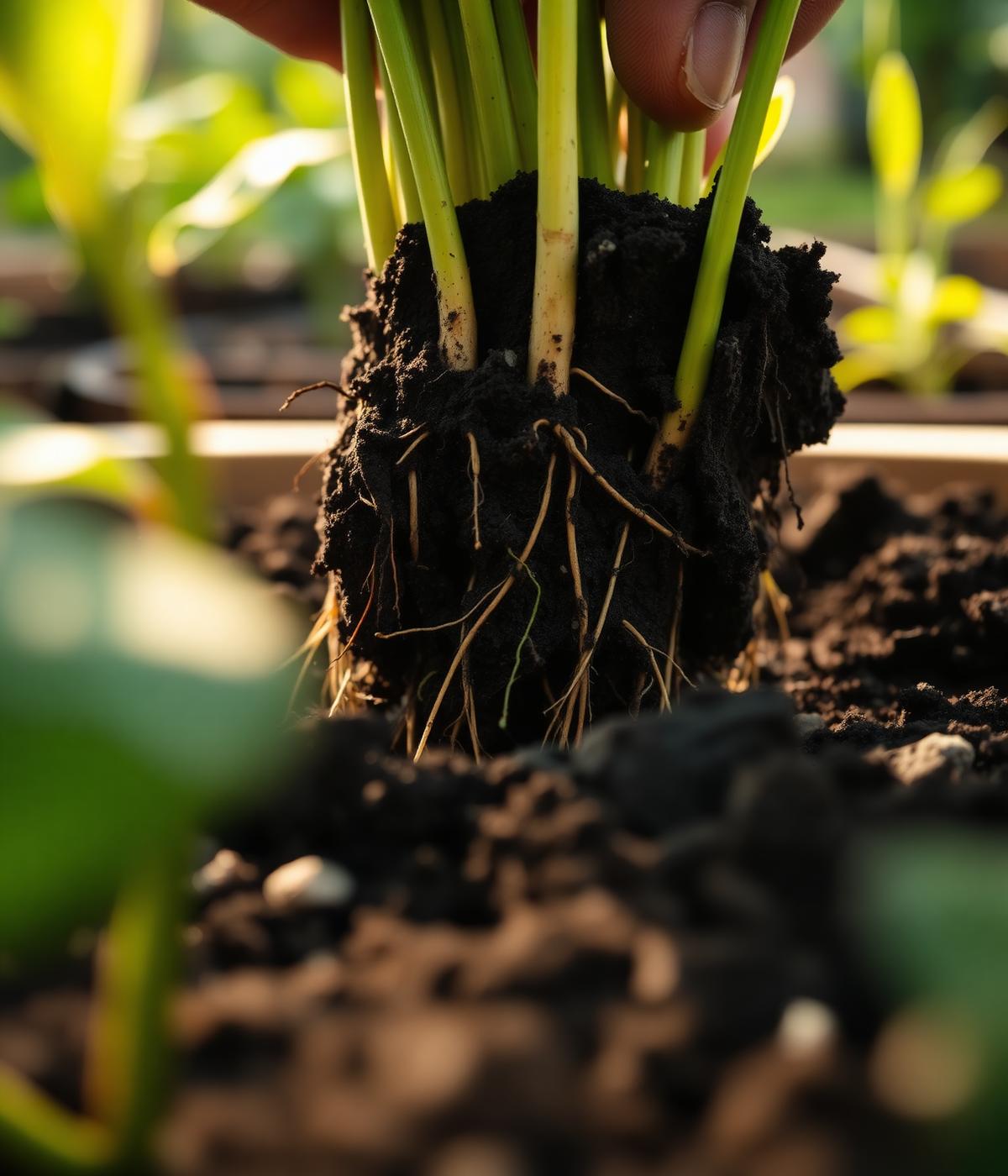
A kelp biostimulant is not a substitute for feeding. Its value is in the natural growth compounds, trace elements and polysaccharides that help plants root more readily and cope with stress. Think of it as improving how efficiently a plant uses what is already available, rather than adding a large dose of nutrients itself.
- Supports root initiation and finer root branching
- Helps plants recover from transplant shock, drought and wind stress
- Feeds soil biology when applied as a drench
- Works best alongside good compost, not instead of it
Dilution and application
Dilution rates vary by product, so always check the label on the bottle. As a general routine, a foliar spray in the cool of the morning or evening gives the fastest visible response, and a soil drench around the root zone gives the most lasting one. Avoid spraying in strong sun or high wind, both reduce uptake.
- Foliar, fine mist over leaves until just wet, not running off
- Drench, water into the root zone rather than over the crown
- Frequency, every two to four weeks through the growing season
- Newly planted stock, apply at planting and again two weeks later
Timing through the year
Start in spring as growth begins, continue through the main growing season, and use it before predictable stress rather than after it. A dose ahead of a dry spell or a spell of hard coastal wind is worth more than a rescue application once leaves have already scorched.
Honest expectations
Kelp will not rescue a plant in the wrong place, in compacted ground, or short of water. What it does reliably is help plants establish faster and hold condition through difficult weeks. On exposed coastal sites, that resilience is usually the difference between a plant surviving its first summer and sulking through it.
Not sure what you need?
Send us your measurements and we will recommend the most practical format and honest quantities.
More from the journal
How to improve sandy coastal soil
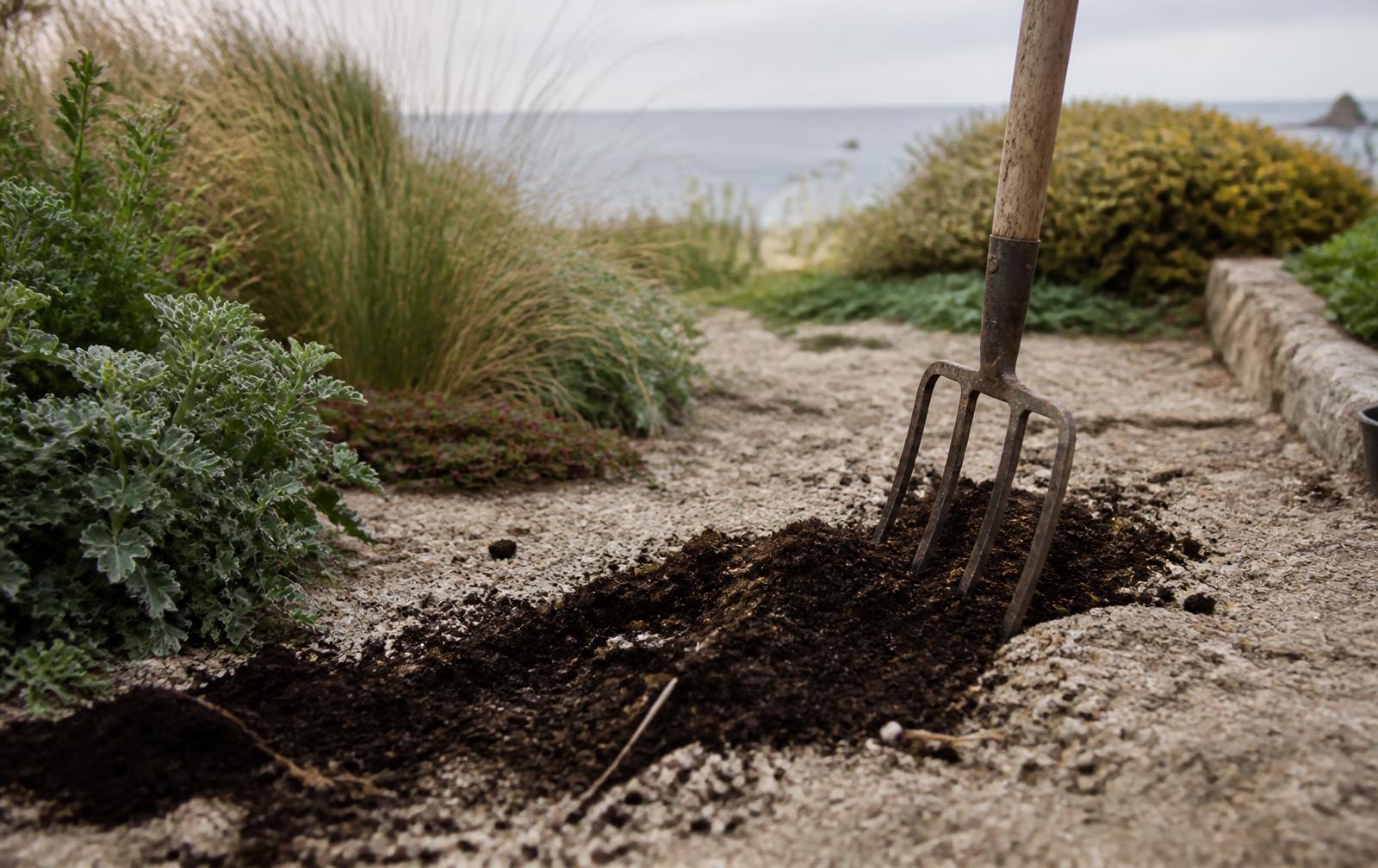
Why free-draining coastal ground struggles to hold water and nutrients, and what to add, when.
Using compost on new and established lawns
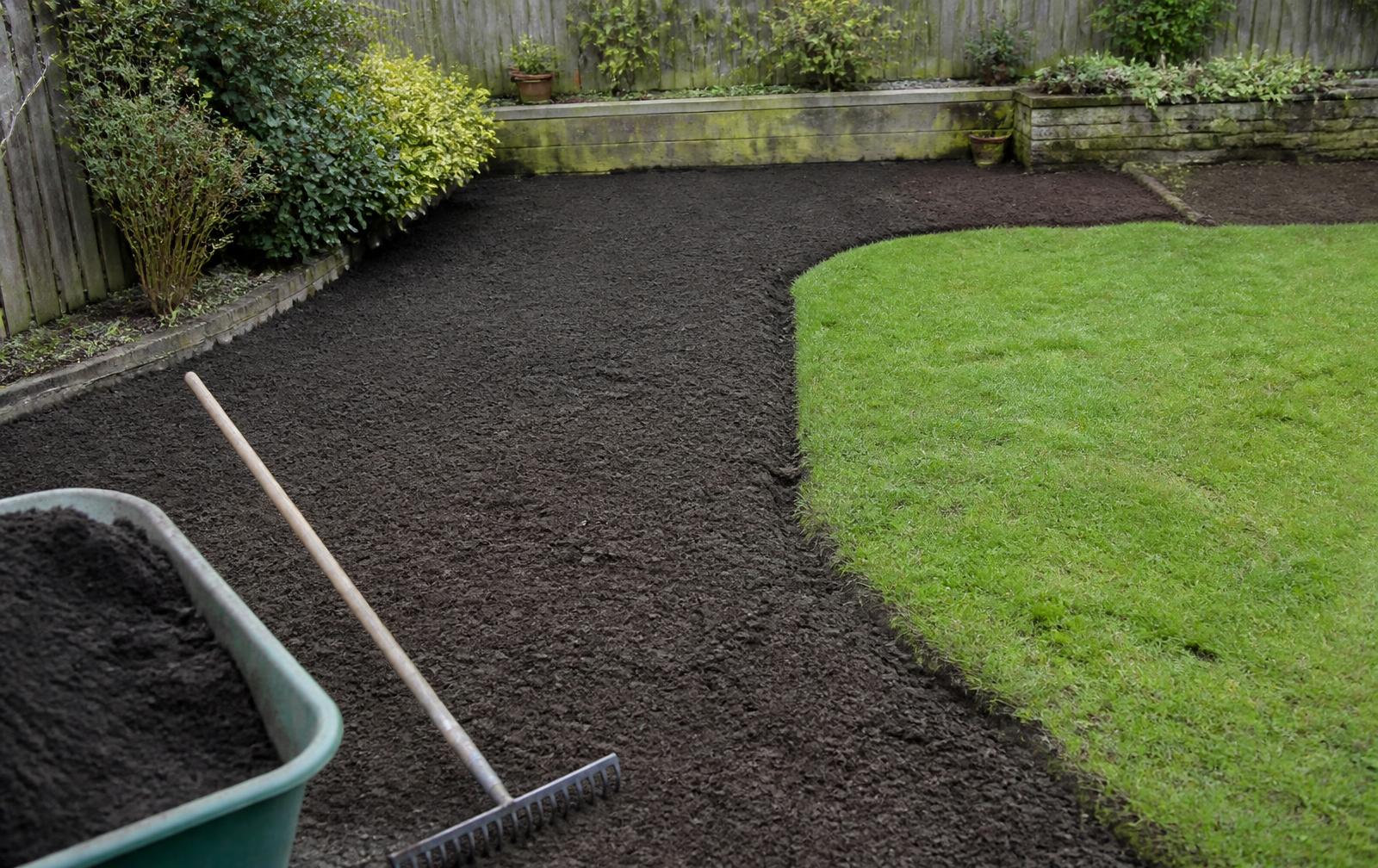
Rotovating good compost into your soil is often far cheaper than importing topsoil, and it builds a better lawn.
Why we use farmed kelp
How responsibly farmed kelp differs from wild gathering, and what it adds to Coastal Compost and the Kelp Range.