Why we use farmed kelp
5 min read
Kelp has been used in coastal gardens for generations, historically gathered by hand from the shore. That is not where our kelp comes from. This article sets out why we use responsibly farmed kelp instead, and what that actually means for the ingredients in our range.
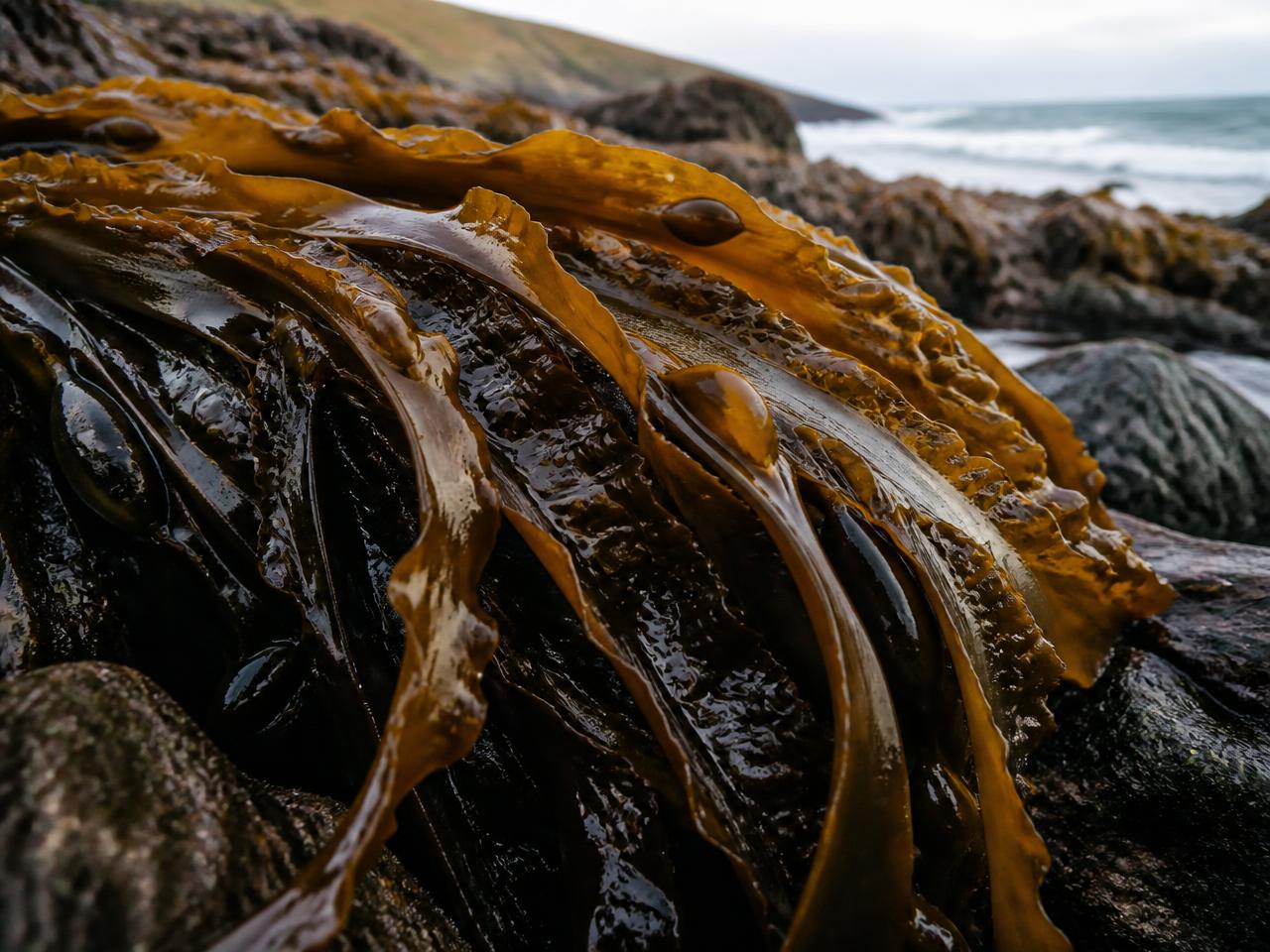
A modern alternative to gathering wild seaweed
Traditional shore gathering involves collecting seaweed cast up on beaches or cut from rocks at low tide, a practice that is slow, weather-dependent and limited by what a stretch of coastline naturally produces. Ingredients in the Coastal range instead come from responsibly farmed kelp, grown under managed conditions rather than taken from wild shoreline stocks.
This gives a more consistent, traceable source and takes the pressure off natural kelp beds, which support fish, shellfish and a wide range of marine life along the coast.
Growing without farmland or freshwater
Kelp cultivation takes place in seawater on ropes and structures anchored offshore. It does not require agricultural land, soil, or freshwater irrigation, and it needs no conventional fertiliser inputs to grow. That makes it a fundamentally different crop to almost anything grown on land.
Taking up dissolved nutrients
As kelp grows, it takes up dissolved nutrients from the surrounding water, including nitrogen, phosphorus and other elements. When the crop is harvested, some of the nutrients stored in that biomass are removed from the cultivation area along with it.
The scale of that effect depends on the size, location and management of each individual farm, and it is not a substitute for wider measures to manage nutrient run-off on land.
Creating habitat
The fronds, lines and growing structures used in kelp cultivation add three-dimensional structure to the water column that was not there before. Small fish, invertebrates and other marine organisms use this structure for shelter over the growing cycle.
We would not claim this guarantees a net increase in biodiversity across an area, the outcome depends on the site, but it is a genuine, observable feature of how the crop is grown.
Restorative production
We describe this as restorative cultivation because the crop can produce useful material while taking up dissolved nutrients and adding temporary habitat structure to the marine environment. It is a description of how the crop grows, not a claim that kelp farming reverses wider ocean pollution or restores an ecosystem on its own.
From sea to soil
Once harvested, the cultivated kelp is processed into the ingredients that go into the Coastal Kelp Range biostimulants and into the enrichment added to Coastal Compost. The route from a working kelp farm to a bottle on a garden shelf, or a bag of compost on a pallet, is fairly short and is set out in full on our From Sea to Soil page.
What kelp products can and cannot do
Kelp based products complement good soil, suitable feeding, appropriate watering, correct plant selection and responsible garden care. They do not replace any of these. A kelp biostimulant will not fix compacted ground, rescue a plant that is short of water, or make an unsuitable planting choice work. Used alongside the basics, it is a genuinely useful tool, not a shortcut around them.
Not sure what you need?
Send us your measurements and we will recommend the most practical format and honest quantities.
More from the journal
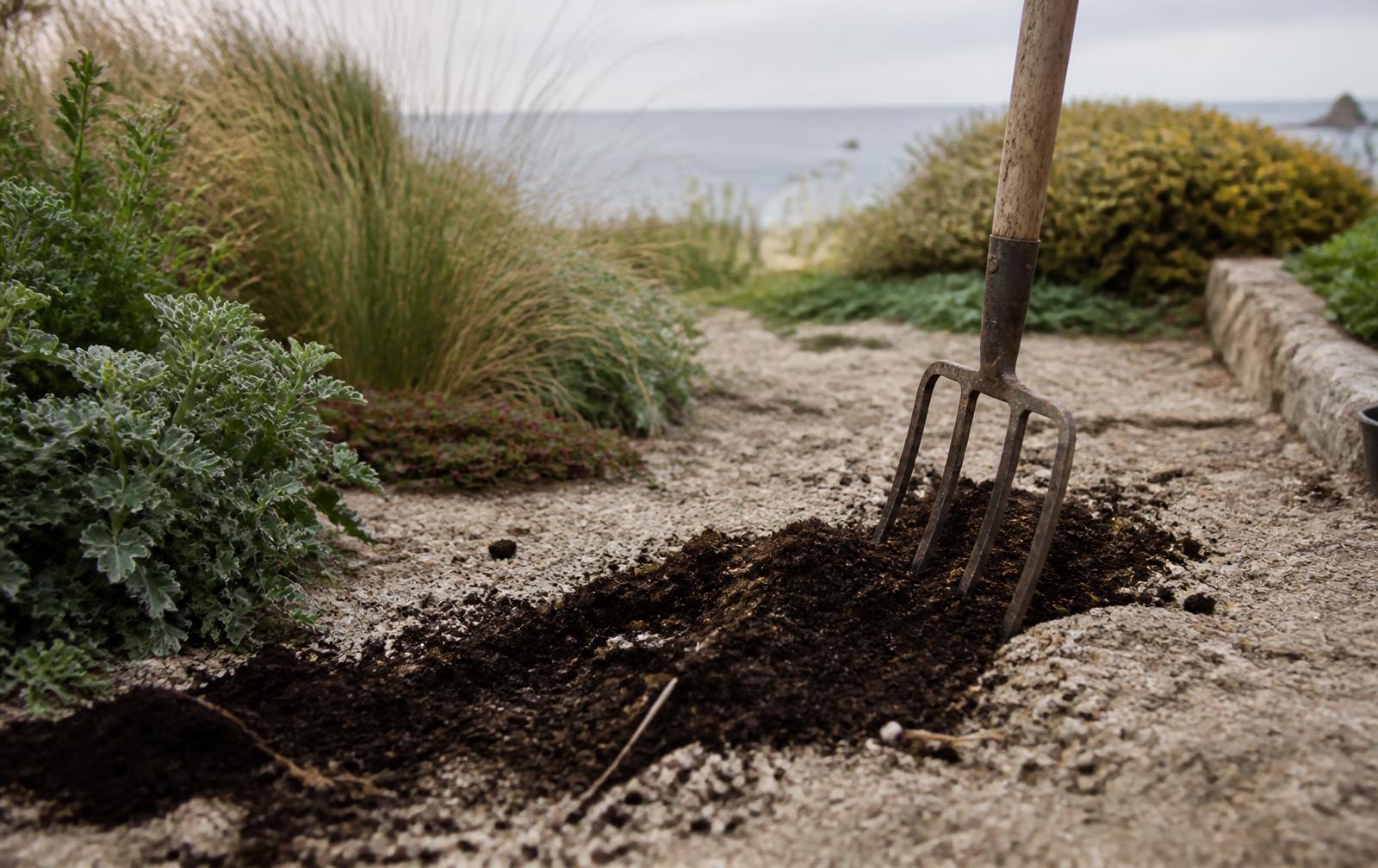
How to improve sandy coastal soil
Why free-draining coastal ground struggles to hold water and nutrients, and what to add, when.
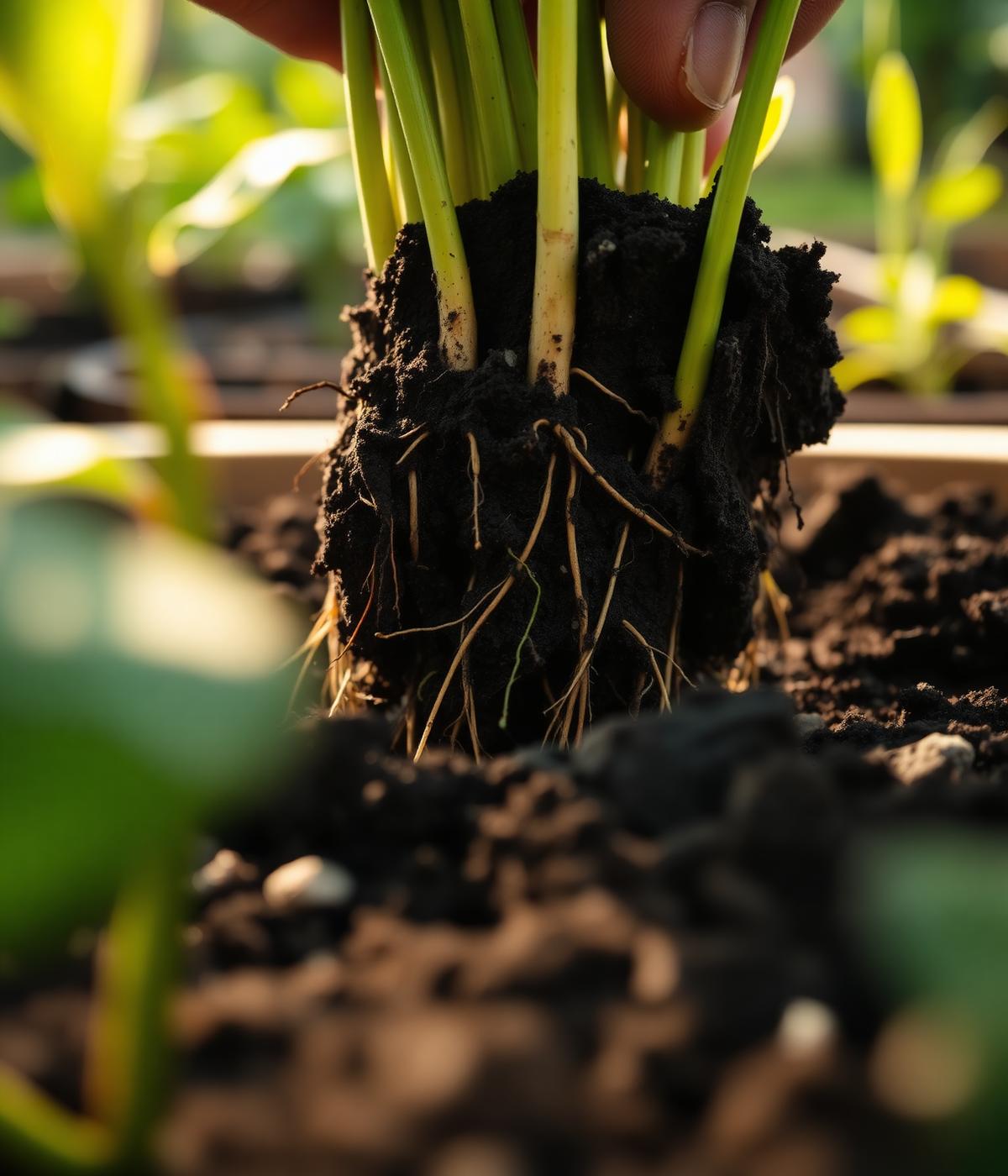
Feeding plants with kelp: a sensible guide
Dilution rates, timing and what kelp biostimulants realistically do for roots and resilience.
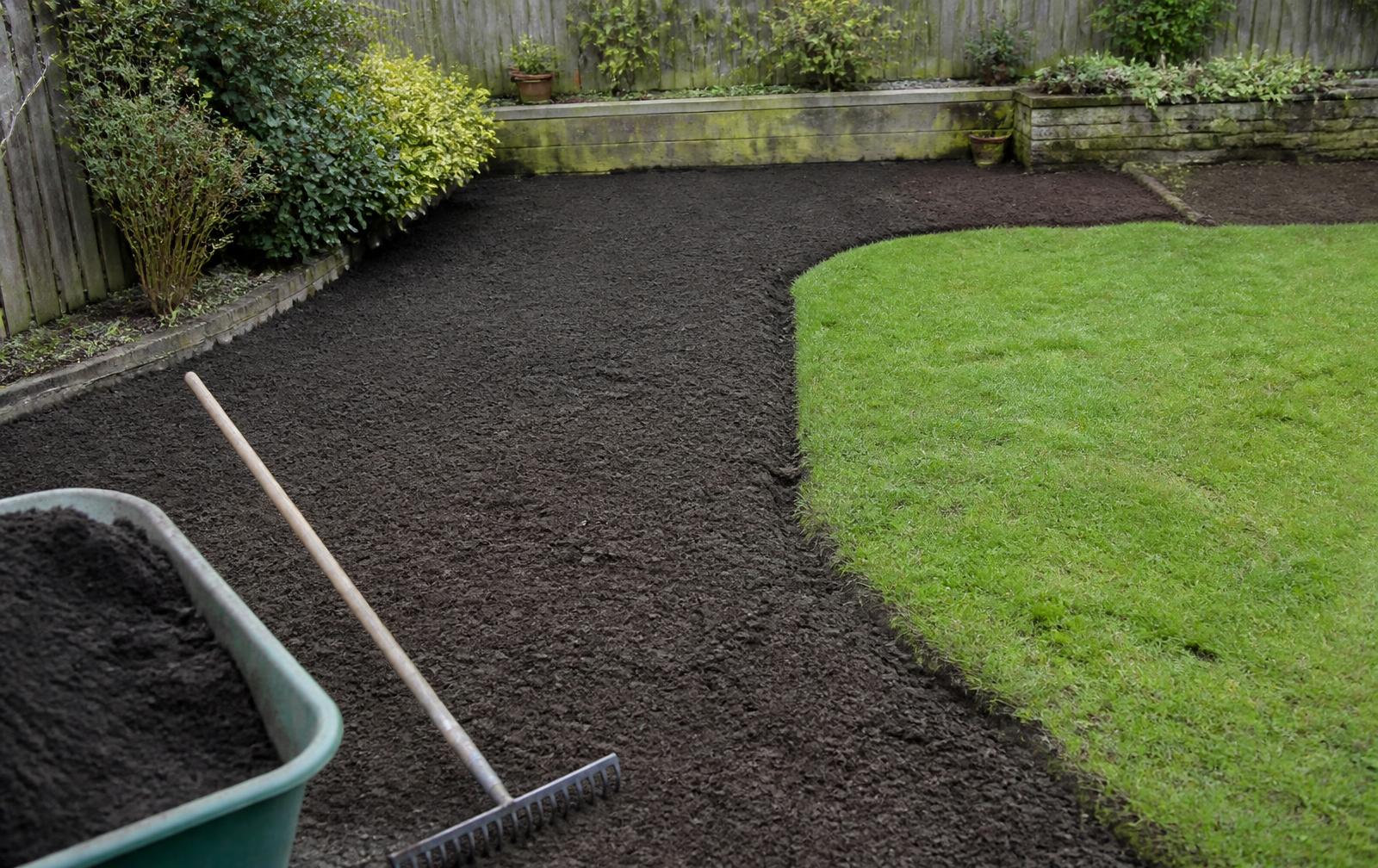
Using compost on new and established lawns
Rotovating good compost into your soil is often far cheaper than importing topsoil, and it builds a better lawn.