
How to improve sandy coastal soil
5 min read
Coastal ground across Cornwall and Devon is often light, sandy and sharply drained. It warms early and rarely waterlogs, which sounds ideal until midsummer arrives and everything you planted in spring stalls. The problem is not usually the sand itself, it is the lack of organic matter holding water and nutrients where roots can reach them.
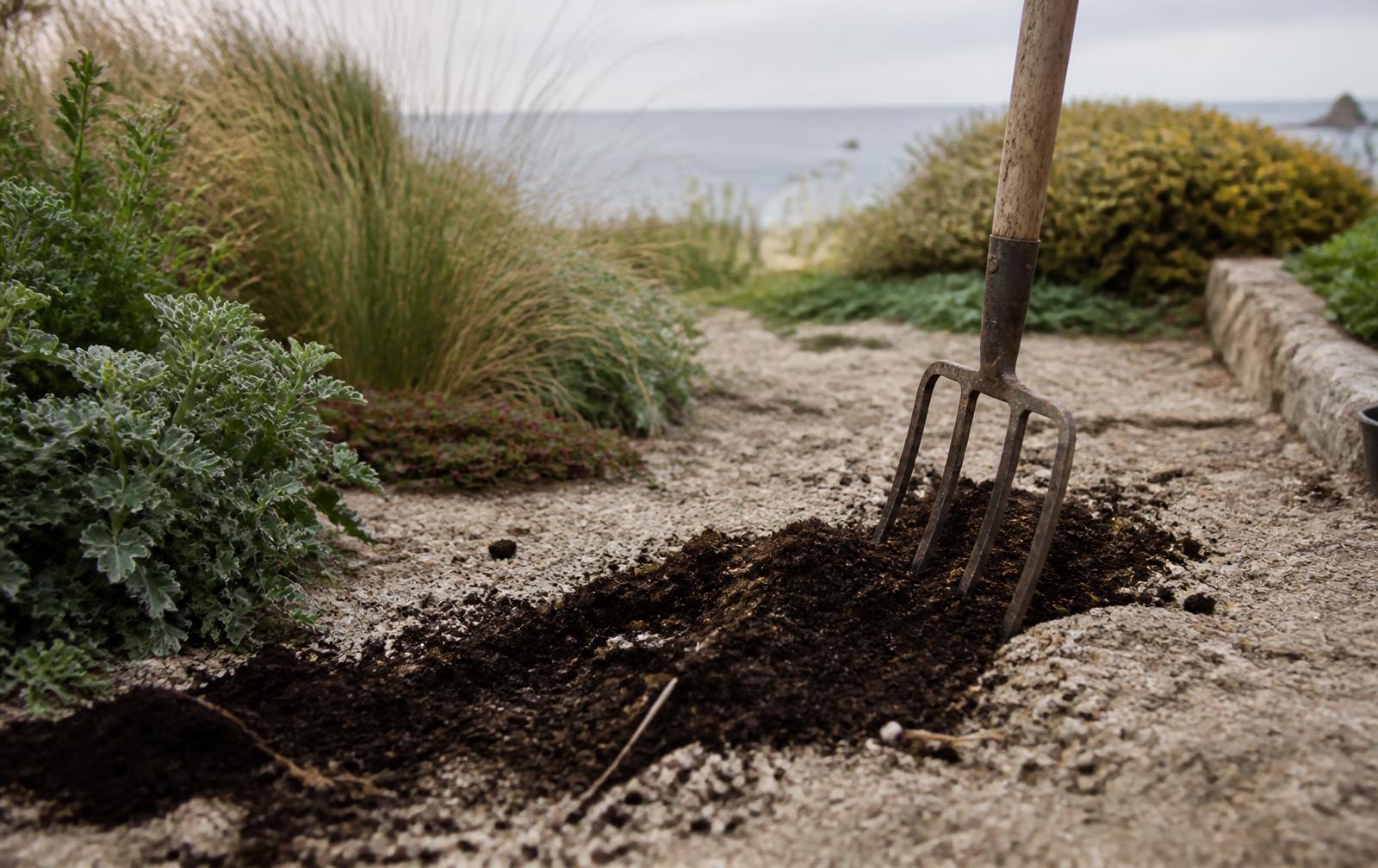
Why sandy coastal soil struggles
Sand particles are large, so water runs straight through the profile and takes soluble nutrients with it. Add salt-laden wind and thin topsoil over shale or shillet, and plants spend the growing season in a slow drought even in a wet county.
- Low water holding capacity, plants wilt within days of dry weather
- Nutrients leach quickly, feeds wash through before roots use them
- Little biological activity, so nothing is rebuilding structure naturally
- Exposure and salt spray increase the demand on an already stressed root system
What actually fixes it
Organic matter is the answer, and volume matters more than brand. Coastal Compost is a peat-free soil improver enriched with ingredients derived from responsibly farmed kelp, and it behaves like a sponge in sand, it holds moisture, buffers nutrients and feeds the soil life that binds particles into crumbs. That structure is what carries a garden through August.
Work compost into the top 150mm to 200mm where you can, and mulch the surface where you cannot. On new beds, a generous incorporation is far cheaper than importing topsoil and gives a better long term result because you are improving what you already have rather than laying a shallow layer on top of it.
When to do it
Autumn is the classic window, the ground is still warm and winter rain settles everything in. Spring works well too, particularly before planting. On coastal plots we prefer to add a little every year rather than a lot once, sandy soils burn through organic matter faster than heavy clay does.
- New beds, incorporate 50mm to 100mm of compost before planting
- Established borders, mulch 30mm to 50mm each autumn or spring
- Exposed sites, keep the surface covered, bare sand loses moisture fast
- Follow up with a kelp biostimulant during establishment to support rooting
What to expect
The first season you should notice beds staying damp longer after rain. By the second, planting becomes easier, worms appear, and you water less. It is a gradual, cumulative improvement rather than an overnight fix, which is exactly why starting now matters.
Not sure what you need?
Send us your measurements and we will recommend the most practical format and honest quantities.
More from the journal
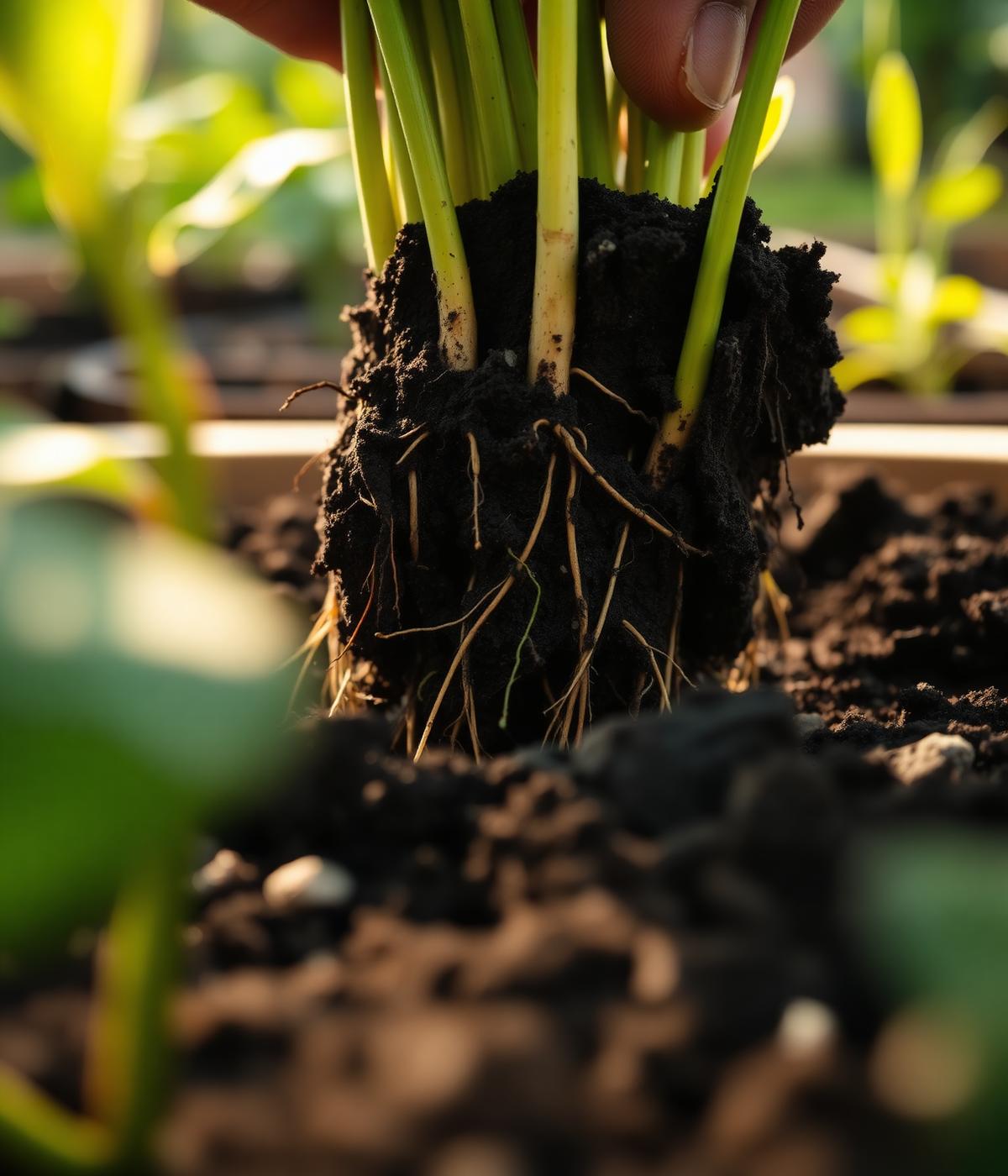
Feeding plants with kelp: a sensible guide
Dilution rates, timing and what kelp biostimulants realistically do for roots and resilience.
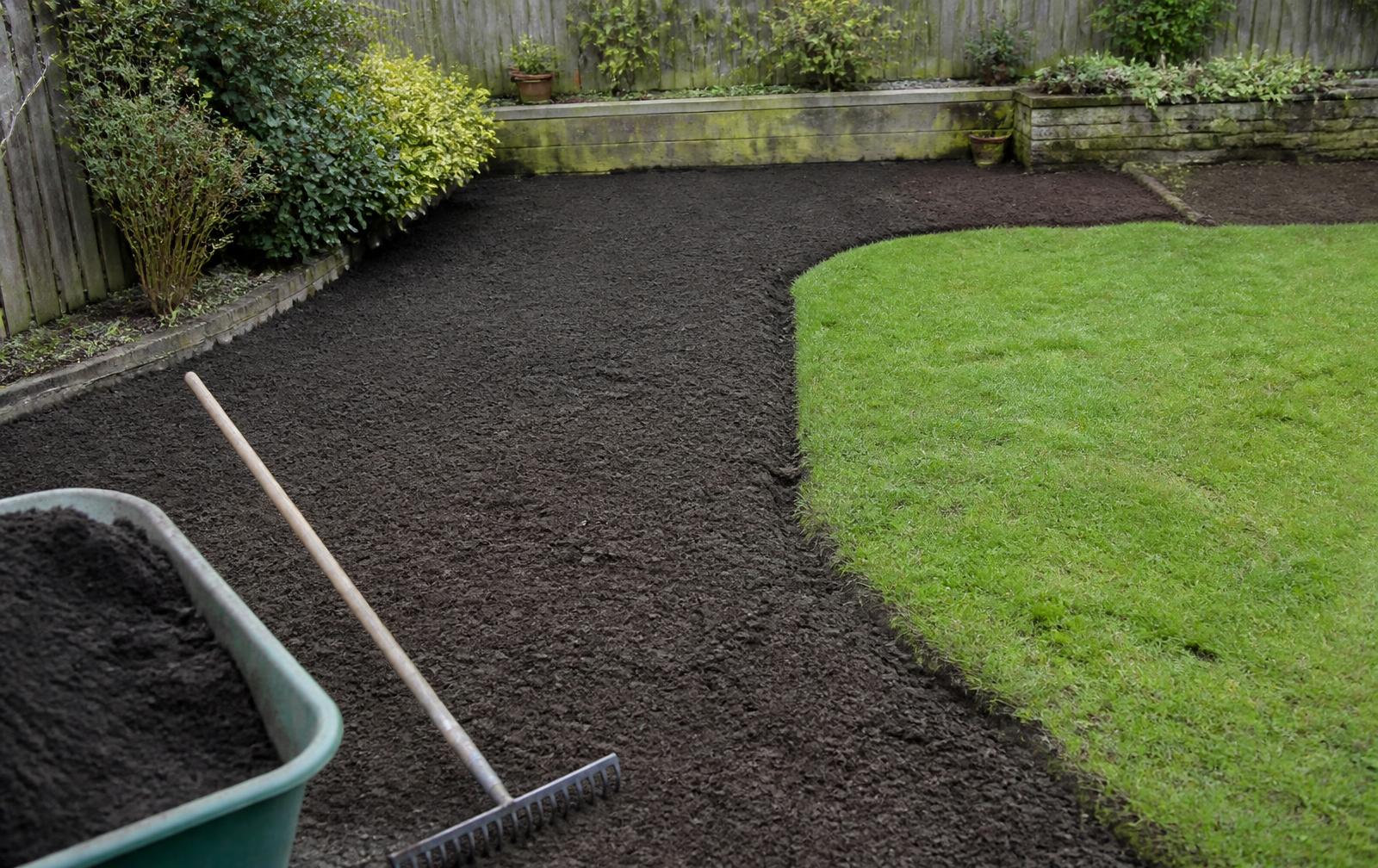
Using compost on new and established lawns
Rotovating good compost into your soil is often far cheaper than importing topsoil, and it builds a better lawn.
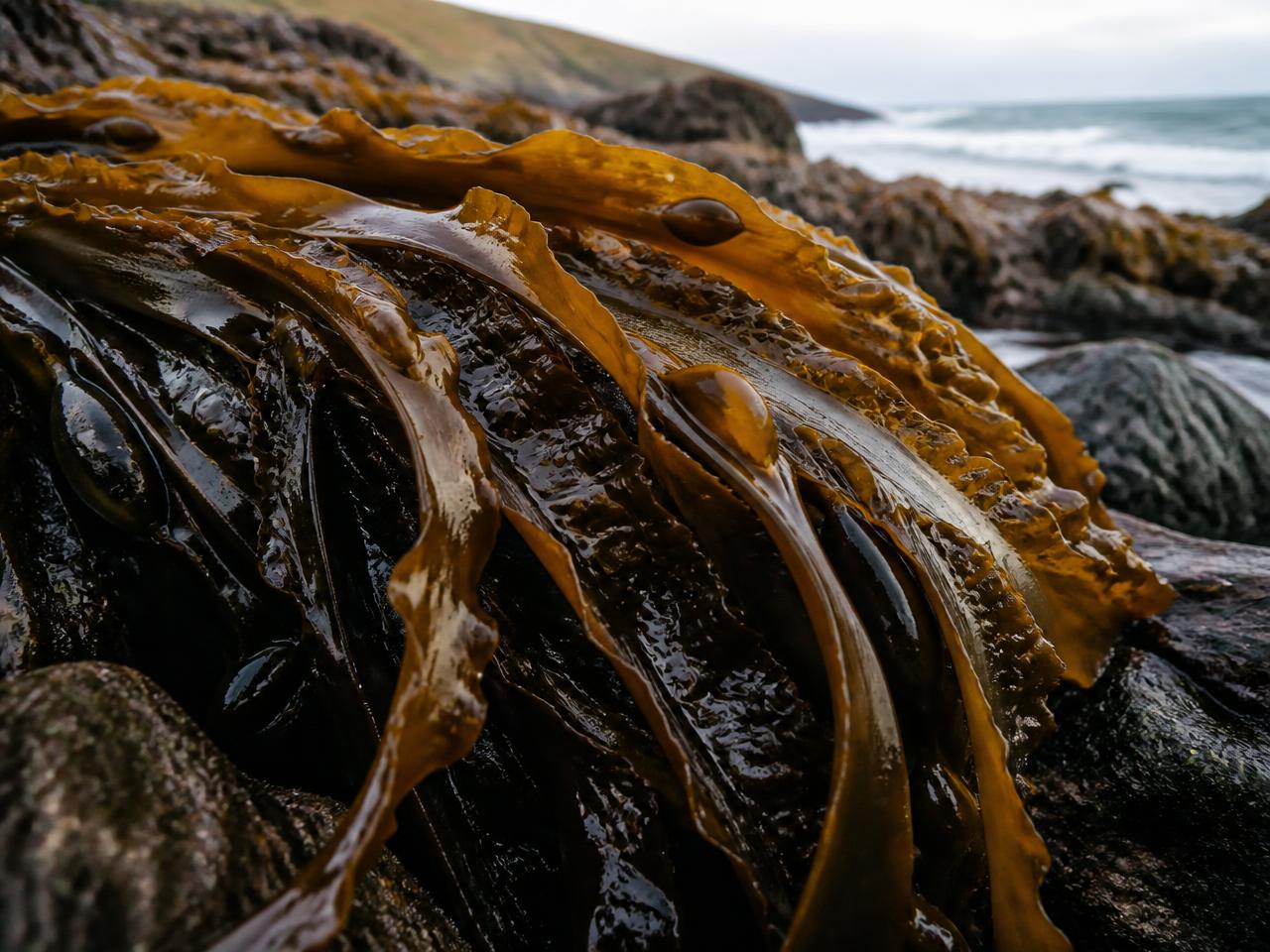
Why we use farmed kelp
How responsibly farmed kelp differs from wild gathering, and what it adds to Coastal Compost and the Kelp Range.